Email: sales@unikelly.com WhatsApp: +86 19108462246
Email: sales@unikelly.com WhatsApp: +86 19108462246
A telescopic Kelly Bar is a multi-section drilling tool used to transmit torque and crowd force from a rotary drilling rig to the drilling tool while allowing the bar to extend and retract during drilling. Its telescopic sections are nested inside one another, enabling a relatively long drilling depth without requiring a Kelly Bar with the same fully extended length when retracted.
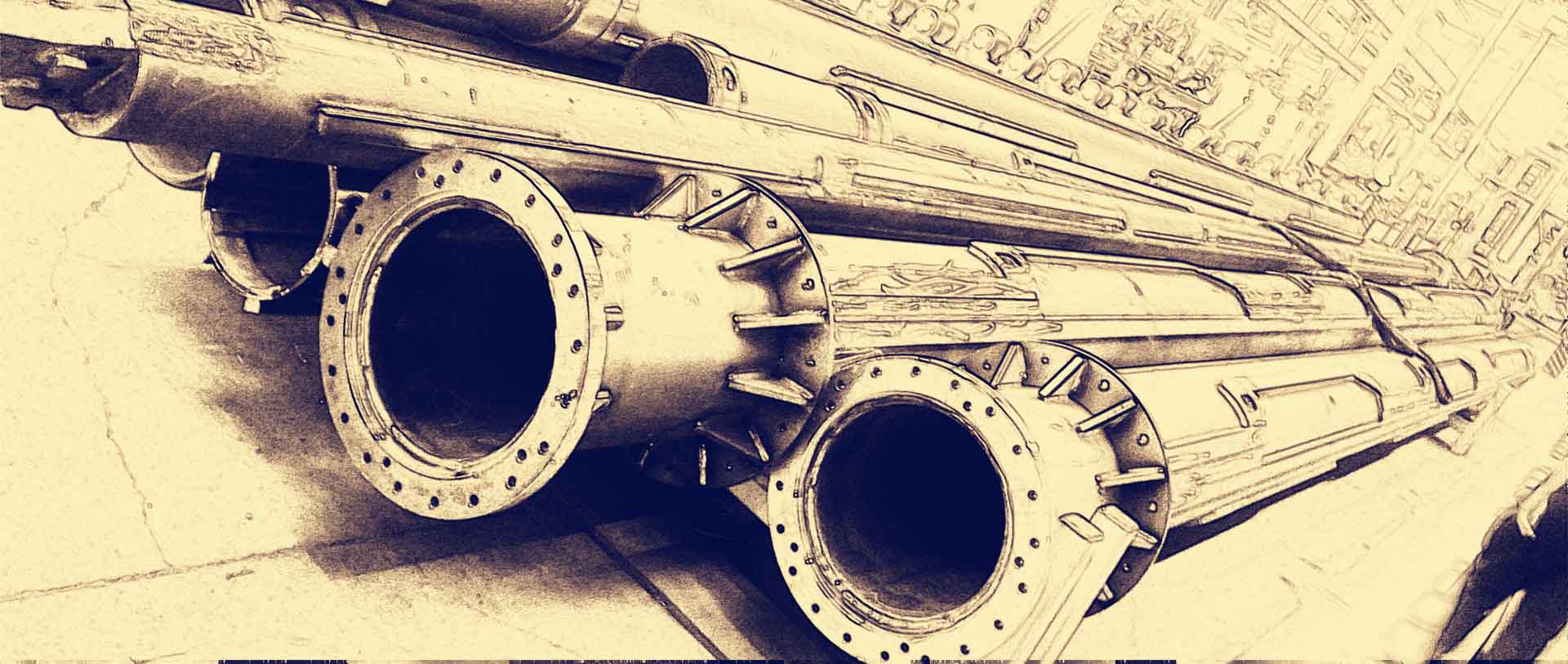
A telescopic Kelly Bar generally consists of multiple steel sections, drive keys or locking components, an upper connection, and a lower connection. The two main types are friction Kelly Bars and interlocking Kelly Bars, with the appropriate type depending on the rig's torque, drilling depth, ground conditions, and drilling method.
Unlike a conventional solid drilling rod, a telescopic Kelly Bar contains several hollow steel sections that slide inside one another. During drilling, the sections extend sequentially to provide the required working length. When the Kelly Bar is lifted, the sections retract into each other.
This design allows a rotary drilling rig to achieve substantial drilling depths while maintaining a manageable retracted length. It is therefore widely used in foundation drilling, bored piling, diaphragm wall construction, and other large-diameter drilling applications.
A typical telescopic Kelly Bar may contain 3, 4, 5, or 6 sections, depending on the drilling rig and required depth. The final configuration is determined by the machine's dimensions, torque capacity, drilling stroke, required drilling depth, and working conditions.
The basic structure can be divided into several functional components:
1. Kelly Bar Sections
The telescopic sections are concentric steel tubes that extend and retract relative to one another. Their dimensions and wall thickness are designed according to the required torque, drilling depth, and machine configuration.
2. Drive Keys or Locking System
These components transfer rotary torque between the telescopic sections. Their design is one of the main differences between friction and interlocking Kelly Bars.
3. Upper Connection
The upper section connects to the rotary drive through the rig's Kelly box. Its dimensions must match the machine's drive connection to ensure reliable torque transmission.
4. Lower Connection
The lower end connects to the drilling tool or related adapter. The connection must be compatible with the drilling bucket, auger, core barrel, casing tool, or other equipment being used.
5. Wear Components
Depending on the design, wear pads, keys, springs, rings, and other replaceable components may be used to maintain the correct relationship between telescopic sections and reduce wear during operation.
The structural design of a Kelly Bar is therefore not simply determined by its outside diameter. Torque, section dimensions, material strength, connection geometry, and locking system must work together as one system.
Telescopic Kelly Bars are mainly divided into friction Kelly Bars and interlocking Kelly Bars.
A friction Kelly Bar transmits torque through friction generated between the telescopic sections. Its relatively straightforward structure makes it suitable for many conventional foundation drilling applications.
Friction Kelly Bars are commonly selected when the required drilling conditions and torque levels are within the operating range of the friction system. They can be manufactured in different diameters, section numbers, and working lengths to match specific rotary drilling rigs.
An interlocking Kelly Bar uses mechanical locking elements between the telescopic sections. Instead of relying primarily on friction, the sections engage through a positive mechanical connection to transmit torque.
This configuration is particularly useful for high-torque drilling and demanding ground conditions, where reliable torque transmission and positive engagement between sections are important.
The choice between friction and interlocking should not be based only on the drilling depth. Rig torque, formation hardness, drilling tools, required depth, and operating method should all be considered.
| Feature | Friction Kelly Bar | Interlocking Kelly Bar |
| Torque transmission | Friction between sections | Mechanical locking |
| Typical application | Conventional foundation drilling | Higher-torque and demanding drilling |
| Section engagement | Friction-based | Positive mechanical engagement |
| Selection factors | Rig torque, depth, formation | Rig torque, depth, formation and locking requirements |
| Configuration | Customized by rig and application | Customized by rig and application |
The main advantage of a telescopic design is the ability to combine long working depth with a relatively compact retracted length.
For example, a rotary drilling rig may need to reach a considerable drilling depth, but its mast and working environment place limits on the maximum length of a fully retracted drilling tool. A multi-section Kelly Bar solves this problem by allowing the sections to telescope into one another.
Other advantages include:
Suitable for different drilling depths through section configuration
Efficient torque transmission from the rotary drive to the drilling tool
Compatible with large-diameter drilling tools
Adaptable to different rotary drilling rig configurations
Available in different diameters, lengths, and numbers of sections
However, a longer or higher-section Kelly Bar is not automatically better. The configuration must match the rig's mast height, rotary drive, torque, drilling stroke, and required drilling depth
Telescopic Kelly Bars are primarily used with rotary drilling rigs for foundation and geotechnical construction.
Typical applications include:
Bored pile construction — drilling holes for cast-in-place piles and deep foundations.
Large-diameter foundation drilling — working with drilling buckets, augers, and rock tools.
Hard formation drilling — using suitable rock drilling tools with high-torque or interlocking Kelly Bars.
Urban foundation projects — where drilling depth and equipment dimensions must be carefully coordinated.
Diaphragm wall construction — when the drilling equipment and tooling require a suitable telescopic Kelly Bar configuration.
The drilling tool mounted at the bottom of the Kelly Bar is also important. Soil buckets, rock buckets, augers, core barrels, and other tools impose different loads on the Kelly Bar. Therefore, the Kelly Bar should be selected as part of the complete drilling system, rather than as an independent component.
The correct specification depends on the rotary drilling rig and the actual project requirements. Before ordering, the following information should be confirmed:
| Parameter | Purpose |
| Rig brand and model | Establishes the basic machine configuration |
| Maximum rotary torque | Determines the required torque capacity |
| Kelly box dimensions | Confirms the upper connection |
| Required drilling depth | Determines the working length |
| Drilling diameter | Helps match the Kelly Bar with drilling tools |
| Number of sections | Determines the telescopic configuration |
| Friction or interlocking | Determines the torque-transfer system |
| Ground conditions | Influences structural and locking requirements |
| Drilling tools | Determines the working loads and application |
For a replacement Kelly Bar, measurements of the existing bar and photos of the Kelly box, upper connection, locking components, and lower connection can help the manufacturer verify the required dimensions.
UNIKELLY specializes in telescopic friction and interlocking Kelly Bars for rotary drilling and foundation applications. Kelly Bars can be engineered according to the drilling rig, Kelly box, torque requirement, drilling depth, section number, and ground conditions.
UNIKELLY Kelly Bars are available for major rotary drilling rig brands and can be configured for different machine sizes and drilling applications. Depending on the project, specifications such as diameter, total length, number of sections, connection dimensions, material, and locking configuration can be customized.
When selecting a telescopic Kelly Bar, the most important consideration is not simply its length or diameter. The complete configuration must be compatible with the rotary drilling rig, drilling tools, required depth, torque, and ground conditions.
For a suitable recommendation, provide the rig brand and model, maximum torque, required drilling depth, drilling diameter, Kelly box dimensions, and preferred number of sections. UNIKELLY can then determine the appropriate telescopic Kelly Bar configuration for the application.