Email: sales@unikelly.com WhatsApp: +86 19108462246
Email: sales@unikelly.com WhatsApp: +86 19108462246
Kelly bar specifications determine whether a Kelly bar can work efficiently and safely with a rotary drilling rig. The main parameters include outer diameter, overall length, section length, number of telescopic sections, drilling depth, torque capacity, and connection dimensions. These specifications must match the rig's rotary drive, crowd system, lifting capacity, and actual drilling conditions. A Kelly bar should never be selected based on diameter or drilling depth alone.
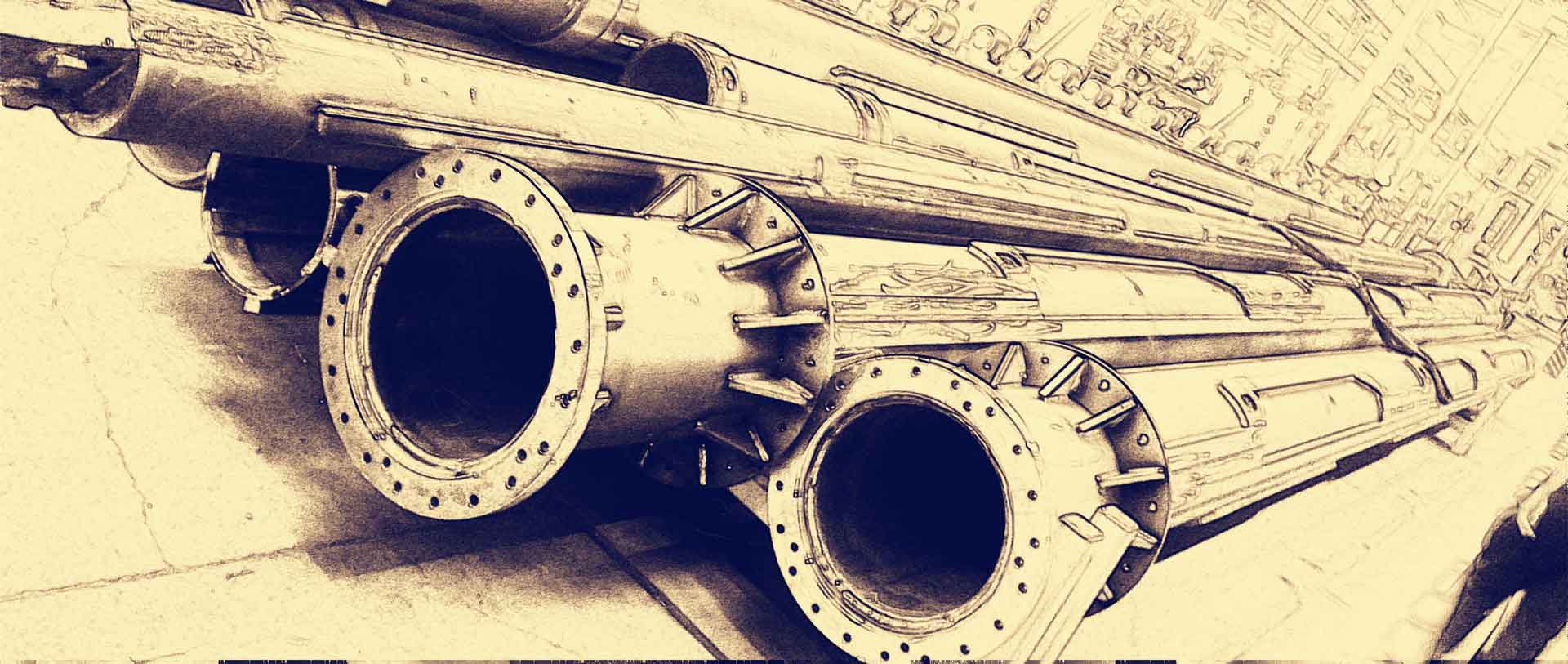
A Kelly bar is a telescopic drilling component that transfers rotational torque and crowd force from a rotary drilling rig to the drilling tool. Its specifications directly affect drilling depth, torque transmission, equipment compatibility, and operating performance.
When selecting a Kelly bar, engineers generally need to evaluate the following parameters:
| Specification | What It Describes | Why It Matters |
| Kelly Bar Diameter | Diameter of the telescopic steel sections | Determines structural dimensions and rig compatibility |
| Overall Length | Length of the Kelly bar assembly | Influences installation and drilling reach |
| Section Length | Length of each telescopic section | Affects extension range and drilling depth |
| Number of Sections | Number of telescopic steel sections | Determines the telescopic configuration |
| Drilling Depth | Achievable drilling depth under the specified configuration | Must meet project requirements |
| Torque Capacity | Maximum torque the Kelly bar is designed to transmit | Must match the rig's operating requirements |
| Connection Dimensions | Upper and lower connection configurations | Ensure mechanical compatibility |
Kelly bar diameter is one of the first specifications to check when selecting a drilling bar.
The diameter affects the structural design, section arrangement, and compatibility with the rotary drilling rig. A larger-diameter Kelly bar generally allows a different structural configuration and may provide greater resistance to torsional and bending loads, depending on its wall thickness, material properties, and section design.
However, a larger diameter does not automatically mean better drilling performance.
The selected diameter must be compatible with the rotary drive, Kelly bar guide, and other relevant components of the drilling rig. It must also provide sufficient structural strength for the required torque and operating loads.
For reference, UNIKELLY's current product range includes:
| Kelly Bar Type | Available Diameter Range |
| Friction Kelly Bar | 355–630 mm |
| Interlocking Kelly Bar | 355–930 mm |
These ranges represent the available product configurations, not universal dimensions for every rotary drilling rig. The final diameter should be confirmed against the rig model and technical requirements.
Kelly bar length is another important factor, particularly for deep foundation projects.
A telescopic Kelly bar consists of multiple steel sections that extend and retract during drilling. Its effective drilling depth depends on the length of each section, the number of sections, the overlap between sections, the available extension stroke, and the drilling tool configuration.
For example, a five-section Kelly bar with five 15-meter sections does not necessarily provide exactly 75 meters of effective drilling depth. The telescopic sections overlap during operation, and the actual drilling depth also depends on the rig configuration and tool connection.
When evaluating Kelly bar length, distinguish between:
Individual section length: The length of each telescopic steel tube.
Total section length: The sum of the nominal lengths of all sections.
Extended assembly length: The overall length when the Kelly bar is fully extended.
Effective drilling depth: The actual depth achievable under the complete rig and drilling tool configuration.
These measurements should not be treated as interchangeable.
For deep drilling applications, the Kelly bar must also be compatible with the mast height, available stroke, and lifting system of the rotary drilling rig.
Kelly bars are available in different telescopic configurations, commonly including three, four, five, and six sections.
The number of sections is closely related to drilling depth and the overall design of the Kelly bar.
A Kelly bar with more sections can provide a longer telescopic extension within a suitable design. However, adding sections also increases structural complexity and introduces additional sliding and torque-transfer interfaces.
The correct configuration depends on several factors:
Required drilling depth.
Individual section length.
Diameter and wall thickness of each section.
Overlap and telescopic stroke.
Rig mast height and lifting capacity.
Required torque and crowd-force transmission.
UNIKELLY offers different configurations according to application requirements.
| Kelly Bar Type | Typical Available Sections |
| Friction Kelly Bar | 3–6 sections |
| Interlocking Kelly Bar | 3–5 sections |
Interlocking configurations include three-, four-, and five-section designs, with selected models available in diameters from 394 mm to 580 mm and other customized sizes.
The appropriate number of sections should be determined by the required drilling depth and the rotary drilling rig's structural limitations, rather than by choosing the maximum available configuration.
Torque capacity is one of the most important specifications when selecting a Kelly bar for foundation drilling.
The rotary drive generates torque and transfers it through the Kelly bar to the drilling tool. During operation, the Kelly bar must withstand torsional loads while also transmitting the required axial force.
If the Kelly bar is not designed for the required operating torque, it may experience excessive stress, premature wear, deformation, or damage to its torque-transmission components.
There are two important torque values to distinguish:
Maximum rig torque: The maximum torque that the rotary drilling rig can generate under specified conditions.
Kelly bar allowable torque: The torque that the Kelly bar is designed and rated to transmit under its specified operating conditions.
These values must be evaluated together. A Kelly bar should not be selected simply because its rated capacity appears close to the rig's maximum torque. Engineers must also consider the actual operating loads, crowd force, drilling tool resistance, and manufacturer's design limits.
The torque transmission mechanism also matters.
A Friction Kelly Bar transfers torque through friction between its telescopic sections. It is commonly used in silt, clay, and less dense sand and gravel.
An Interlocking Kelly Bar uses mechanical locking features to transmit torque between sections. It is generally preferred for demanding drilling conditions involving dense sand, gravel, and rock formations where more reliable mechanical torque transfer is required.
The selection should be based on the complete drilling system, not just the nominal torque value.
Although both types are used with rotary drilling rigs, their structural designs and operating characteristics are different.
| Parameter | Friction Kelly Bar | Interlocking Kelly Bar |
| Torque Transmission | Friction between telescopic sections | Mechanical locking between sections |
| Typical Applications | Silt, clay, less dense sand and gravel | Dense sand, gravel, weak to strong rock |
| Available Diameter Range | 355–630 mm | 355–930 mm |
| Typical Section Configuration | 3–6 sections | 3–5 sections |
| Drilling Depth | Selected models approximately 45–130 m | Selected models approximately 33–100 m |
| Main Advantage | Efficient telescopic operation and cost-effective configuration | Reliable mechanical torque transmission under demanding loads |
The drilling depth ranges above reflect the listed product configurations and should not be interpreted as guaranteed depths for every model.
For projects involving soft to medium soil, a Friction Kelly Bar may provide an efficient and economical solution. For projects involving higher torque requirements and more demanding ground conditions, an Interlocking Kelly Bar may be more suitable.
Before requesting a Kelly bar quotation, prepare the following information:
Rotary drilling rig brand and model.
Maximum rotary torque.
Maximum crowd force or crowd system specifications.
Required drilling depth.
Required Kelly bar diameter, if known.
Preferred number of telescopic sections.
Soil and rock conditions.
Existing Kelly bar drawings or connection dimensions, if available.
If you do not know all the technical parameters, the rig model and project requirements are a useful starting point. The supplier can then help evaluate the appropriate configuration.
Kelly bar diameter, length, torque capacity, and number of sections must work together to achieve reliable drilling performance. Selecting a Kelly bar based on only one specification may result in compatibility problems or inefficient operation.
UNIKELLY provides customized Friction Kelly Bars and Interlocking Kelly Bars for major rotary drilling rig brands, including Bauer, Soilmec, Liebherr, and SANY. Diameter, length, section configuration, and connection design can be evaluated according to your equipment and project requirements.
If you are looking for a suitable Kelly bar, send us your rotary drilling rig model, required drilling depth, torque specifications, and ground conditions. Our team can help you determine the appropriate Kelly bar configuration for your application.